

How to Move a Grandfather Clock
Key Takeaways
- Grandfather clocks are tall, delicate heirlooms weighing 100–300 lbs with fragile glass panels and precision brass movements that can be ruined by improper handling.
- Always move a grandfather clock in an upright position—never lay it on its side, as this causes lubricating oil to migrate and damage the movement.
- Remove the pendulum, weights, and chains or cables before moving, and pack each component separately with bubble wrap and packing paper.
- DIY moving works for short on-premise moves, but stair-heavy or long-distance relocations are best handled by licensed, insured professional movers.
- Serenity Moving Services has been moving grandfather clocks safely across Norman, Moore, Edmond, and Oklahoma City for over 13 years.
Introduction
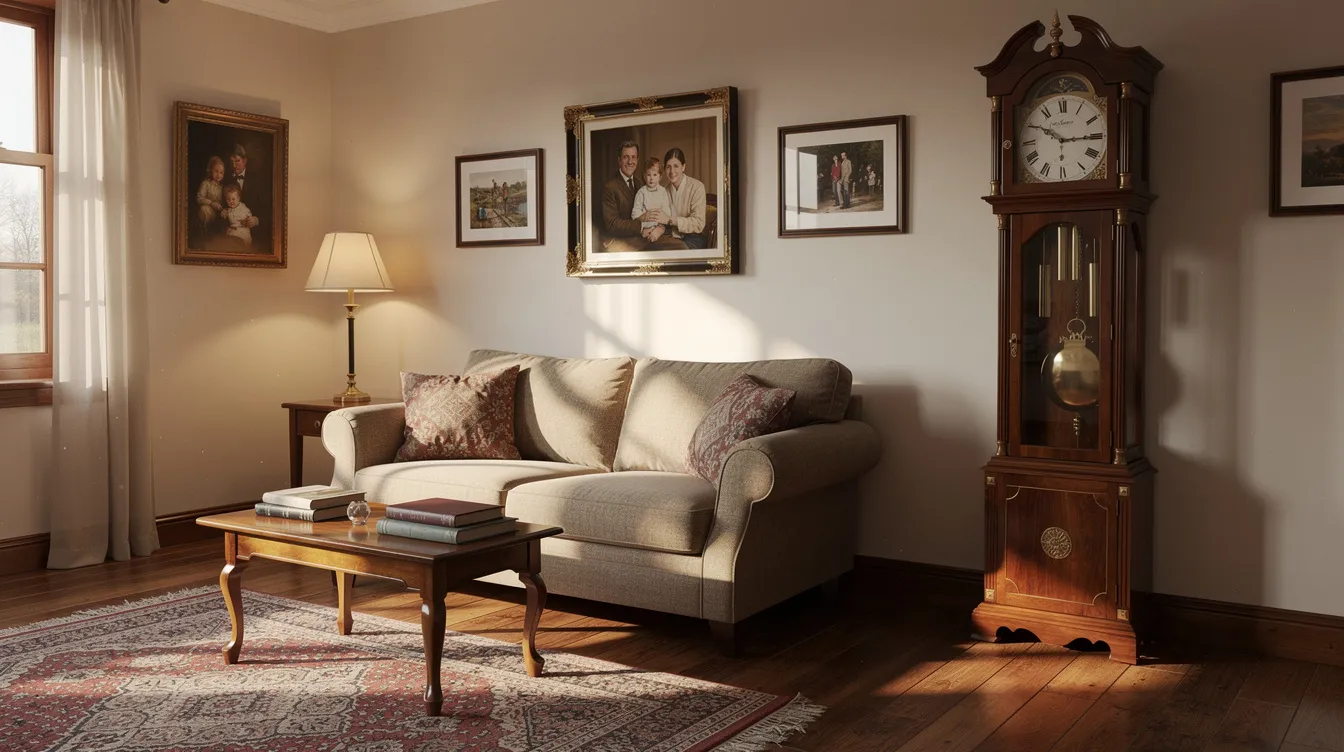
A grandfather clock—also called a longcase or floor clock—stands 6 to 8 feet tall with a solid wood case housing a precise brass movement containing hundreds of delicate parts. These heirlooms, often passed down through generations since the early 1900s, feature fragile glass panels, a swinging pendulum, and tuned chime rods that require careful handling.
Moving one incorrectly can bend the suspension spring, shatter glass, or cause oil to leak from pivots into gear trains. Serenity Moving Services, a locally owned full-service mover based in Norman serving Moore, Edmond, and Oklahoma City since 2012, has over 13 years of experience protecting these treasures. This comprehensive guide covers supplies, disassembly, packing, transport, reassembly, and when to call the pros.
Before You Move Your Grandfather Clock
Planning and safety come first. Never touch the clock case until you’ve prepared properly.
- Identify the make/model from the dial or backplate (Howard Miller, Ridgeway, Herschede)
- Stop the clock by letting it run down or gently stopping the pendulum
- Take photos of chain positions, pendulum attachment, and chime rods
- Clear the path and measure doorways (most need 30–36 inches)
- Gather assistance—at least two adults in closed-toe shoes
Supplies You’ll Need
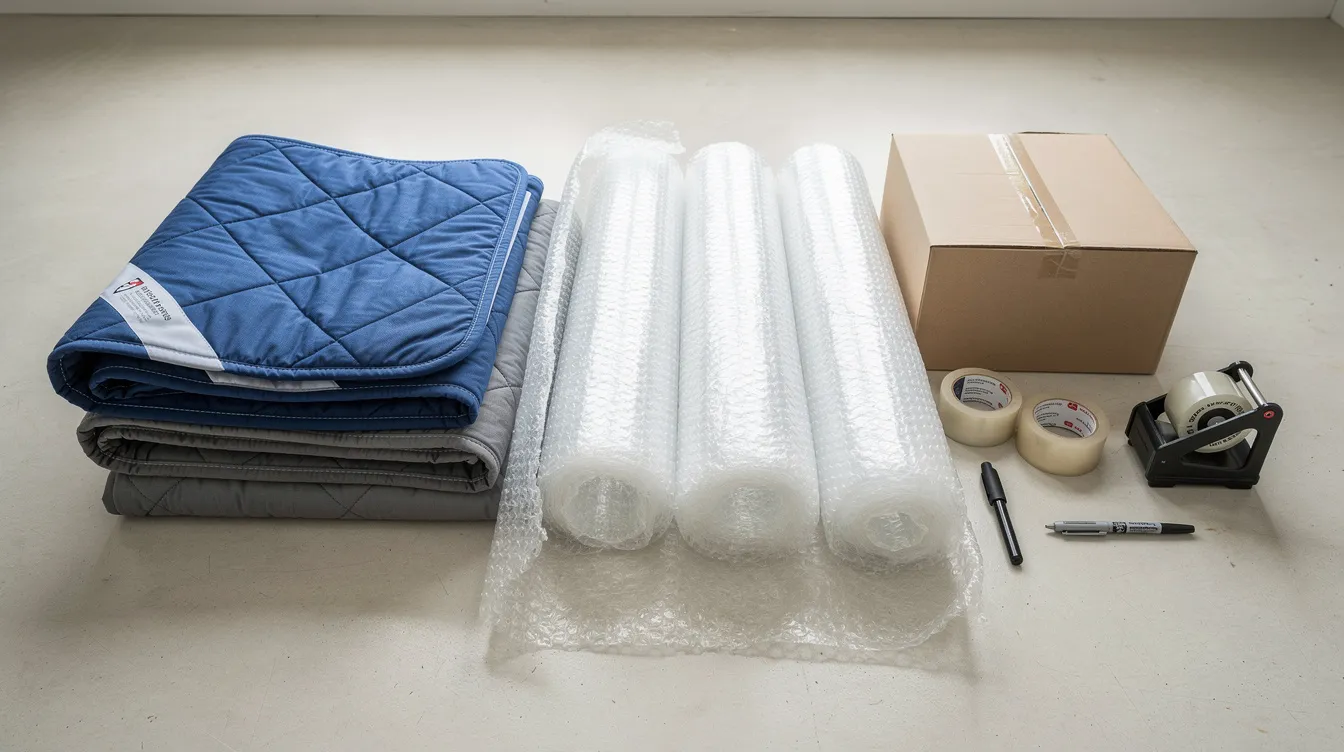
Most supplies are available at hardware stores throughout the Oklahoma City metro, but you can also source professional-grade moving and packing supplies in Norman. Serenity Moving Services crews arrive with all necessary tools and materials for residential moves in Norman, Moore, Edmond, and Oklahoma City.
| Protective Gear | Packing Materials | Moving Equipment |
|---|---|---|
| Cotton or nitrile gloves | Bubble wrap | Appliance dolly with straps |
| Safety glasses | Packing paper/newsprint | Moving blankets |
| Closed-toe shoes | Masking tape or painter’s tape | Ratchet straps |
| Sturdy moving boxes | Hand truck | |
| Permanent marker | Cardboard sheets | |
| Optional items: Zip-top bags for screws, labels for weights, cable ties, and twist ties. |
Step-by-Step: How to Disassemble a Grandfather Clock for Moving
Proper disassembly is the most critical step to move a grandfather clock safely. Remove parts slowly, laying them in order on a padded surface. Never tilt or move the clock case until all components are carefully removed and secured.
Remove or Protect Glass Panels and Doors
Some clocks have removable front and side panels; others have fixed glass in the door.
- Open the front door and check for removable side panels
- Unscrew or unclip panels while wearing gloves
- Wrap each panel in bubble wrap and place vertically in a labeled box
- For fixed glass panels, tape cardboard over them with painter’s tape
- Place all screws in a labeled zip-top bag
Secure Chains or Cables
Chain-driven clocks use interlocking brass links; cable-driven versions use thin steel cables. Both can tangle and damage the movement if left loose.
- Stop the pendulum completely
- Wind chains or cables to about three-quarters height
- Gather each chain separately and secure with twist ties or soft string
- Wrap with packing paper to prevent swinging during transit
- Never apply tape directly to brass gears
Remove and Label the Weights
Most grandfather clocks have three weights (labeled left, center, right) that are not interchangeable—each serves a specific function and weighs 8–12 lbs.
- Support each weight with both hands while unhooking
- Use masking tape and marker to label each: “LEFT,” “CENTER,” “RIGHT”
- Wrap individually in packing paper, then bubble wrap
- Place in a sturdy moving box with cushion padding
- Mark box: “Weights – handle gently – this side up”
Remove the Pendulum
The pendulum is a delicate rod with a decorative bob that controls timekeeping accuracy.
- Gently stop swinging by holding the middle of the rod
- Lift straight up to unhook from the suspension spring
- Wrap the rod and bob separately in soft packing paper
- Add bubble wrap and place in a long box or padded surface
- Label: “Pendulum – do not bend”
Protect Chime Rods, Shelves, and Decorative Elements
The chime rods, glass shelves, finials, and crown pieces can bend or break easily.
- Do not remove chime rods—wrap them in place with bubble wrap
- Remove loose shelves, figurines, and decorative tops
- Fill hollow spaces with crumpled packing paper
- Photograph everything before and after removal
How to Wrap and Move the Grandfather Clock Case
Once internal parts are removed, treat the clock case like valuable furniture. The clock must remain intact and stay in an upright position throughout transport—never lay it flat.
Wrap and Pad the Case
- Close and latch the front door (use packing tape if needed)
- Drape furniture blankets over the entire case
- Secure blankets with stretch wrap—avoid tape on wood finish
- Add cardboard around the middle for extra protection
- Double-check that chains and cables remain secure inside
Using a Dolly and Navigating Through the Home
Moving the case requires at least two adults; three for stairs or sharp turns.
- Tilt the clock slightly to slide a hand truck underneath
- Strap the wrapped case to the dolly at two heights
- Keep the load balanced with a spotter watching the top
- Navigate thresholds one step at a time
- Communicate clearly as a team
Loading Into the Moving Truck and Securing for Transit
- Roll the dolly up the ramp slowly with one person pulling, one pushing
- Position the clock against the front wall of the truck
- Secure with ratchet straps at upper and lower heights
- Surround with soft items—never stack boxes on top
- Drive smoothly, avoiding sudden stops and sharp turns on I-35 and I-40
How to Reassemble Your Grandfather Clock After the Move
Reassembly follows the reverse order of disassembly. Use your photos as reference, and finally position the clock in its new home before reinstalling components.
Position and Level the Clock
Place the clock against an interior wall away from vents and direct sunlight. Use a bubble level on top and inside the case. Adjust leveling feet or use thin wood shims—proper leveling is essential for accurate timekeeping.
Reinstall Pendulum and Weights
- Hook the pendulum back onto the suspension spring
- Reinstall weights in their correct position (left, center, right)
- Release ties securing chains or cables
- Replace glass panels, doors, and decorative elements
- Tighten screws just enough to hold tight without stripping
Start the Clock and Check Operation
Start the pendulum swinging gently and listen for an even tick-tock. Set the correct time by moving the minute hand forward slowly, pausing at each quarter hour for chimes. Let the clock run 24–48 hours to confirm accuracy.
When to Hire Professional Movers for a Grandfather Clock
While DIY works for short moves, many prefer professional movers for valuable heirlooms. Consider hiring experts for:
- Very tall or antique clocks (100+ years old)
- Narrow staircases or multi-story homes
- Long-distance interstate moves
- Limited mobility or assistance
Serenity Moving Services has been moving grandfather clocks and specialty items across Norman, Moore, Edmond, and Oklahoma City since 2012 as part of our broader Norman moving services. Request a transparent, itemized quote listing your clock as a specialty item with no hidden fees.
Serenity Moving Services: Local Experts in Grandfather Clock Moves
Serenity Moving Services is a locally owned, full-service mover based in Norman serving the Oklahoma City metro with trained, full-time crews. Services include packing, furniture protection, disassembly/reassembly, and safe transport using modern trucks.
With over 13 years of experience, we’ve safely moved grandfather clocks throughout Norman, Moore, Edmond, and Oklahoma City. Call or submit an online form for a free quote—mention your grandfather clock so we can plan the right equipment and time.
FAQ
These FAQs address common concerns for homeowners in the Oklahoma City metro planning a grandfather clock move and complement our broader moving services FAQ resource.
Can I move a grandfather clock a short distance, like across the room, without disassembling it?
Even for on-premise moves across the room, remove the pendulum and weights first. Leaving them in place risks bending mechanisms or shattering glass if the clock tips. Serenity Moving Services performs quick local moves in Norman and the surrounding area in Norman, Moore, Edmond, and Oklahoma City if you prefer professional assistance.
How long does it usually take professionals to move a grandfather clock?
A straightforward ground-floor move typically takes 1–2 hours including disassembly and reassembly. Multi-story homes or complex staircases add time, and our general moving FAQ guide can help you understand other factors that may affect timing. Mention access details when requesting a quote for accurate estimates.
Will Oklahoma’s humidity or temperature changes affect my grandfather clock during a move?
Sudden temperature and humidity swings can affect wood cases and metal components. Keep the clock away from direct sunlight and HVAC vents, and allow it to acclimate for a day or two after a move. Climate-aware transport helps minimize exposure to Oklahoma’s extreme heat and cold.
How much does it cost to move a grandfather clock locally in the Oklahoma City area?
Pricing depends on distance, stairs, access issues, and whether full disassembly/reassembly is included, similar to how we structure rates for commercial moving services in Norman. Serenity Moving Services provides transparent, itemized quotes, including specialized moving options for military families. Contact us with pickup/drop-off locations and clock details for a tailored estimate.
Should I have my grandfather clock serviced after moving it?
If the clock ran well before the move and is reassembled correctly, it often just needs leveling and adjustment. Consult a professional clockmaker if it stops repeatedly, runs significantly fast or slow, or if chimes are out of sequence after a few days.


